Mistakes to avoid when booking wedding flowers in Willesden
Posted on 12/10/2026
Booking wedding flowers sounds simple at first. Pick a bouquet, choose a few colours, confirm the date, done. But if you are planning a wedding in Willesden, the reality can be a bit messier than that. Venue access, delivery timing, seasonal flower availability, budget surprises, and last-minute changes all have a habit of creeping in. And yes, flowers are one of those details that can look effortless only because someone has done a lot of careful work behind the scenes.
This guide on mistakes to avoid when booking wedding flowers in Willesden is here to help you make smarter decisions, ask better questions, and sidestep the most common pitfalls. Whether you are after a full ceremony setup, bridesmaids' bouquets, buttonholes, or a few thoughtful finishing touches, you will find practical advice here that saves stress later. Let's be honest: on wedding mornings, nobody wants to be chasing a florist because a delivery window was guessed a little too casually.
Below, we will walk through why these mistakes matter, how the booking process usually works, and what a sensible checklist looks like in real life. There is also a comparison table, a local-style example, and an FAQ section for the questions people actually ask.
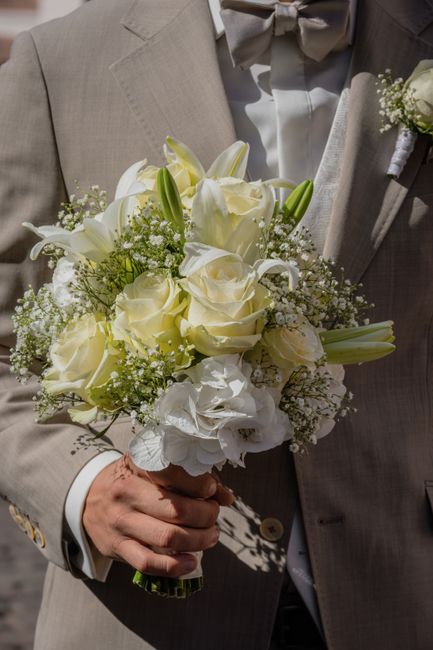
Why Mistakes to avoid when booking wedding flowers in Willesden Matters
Wedding flowers do more than look pretty in photos. They help set the tone of the day, tie together the colour palette, and make the ceremony and reception feel intentional rather than improvised. In a busy area like Willesden, where couples may be juggling venues, family logistics, traffic, and timing constraints, the flower plan needs to be calm, clear, and realistic. That is where avoiding booking mistakes really pays off.
One small misunderstanding can ripple through the whole day. If the florist thinks the bouquet is for a late afternoon ceremony but the venue needs it by 10:00 a.m., you have a problem. If seasonal flowers are unavailable and nobody discussed substitutes, the final look may drift from the original idea. If you only speak in broad mood-board language and never agree on specifics, the result can be lovely, but not necessarily what you had in mind.
Truth be told, most flower disappointments are not about lack of talent. They are usually about miscommunication, weak planning, or underestimating the practical side of wedding logistics. That is especially true when booking locally, where delivery routes, parking, loading times, and venue rules can make the difference between a smooth handover and a frantic last-minute scramble.
Key takeaway: the best way to avoid wedding flower stress is not to overcomplicate everything; it is to clarify the few details that matter most, early on, and then keep the plan tidy.
How Mistakes to avoid when booking wedding flowers in Willesden Works
The process usually starts with a conversation, then a quote, then a design agreement, then final checks closer to the date. In practice, the best bookings happen when both sides have enough detail to make sensible decisions. That means you do not just ask, "How much for flowers?" You discuss style, date, venue, budget, flower preferences, delivery, and setup requirements.
Most wedding florists will want to know the basics: ceremony location, reception venue, number of bridal party members, colour scheme, dress style, and whether you want flowers for tables, an aisle, the top table, or just the essentials. If you already have a photographer's timeline or venue access window, share that too. It saves everyone from guessing. And guessing is where trouble starts.
Another part of how this works is understanding what can change. Flowers are seasonal and often variable in shape, size, and availability. That does not mean your arrangement will be inferior. It means a good florist will design around what is fresh and suitable, not simply force a fixed look that may be harder to deliver well. That flexibility is normal in wedding floristry, and honestly, it usually leads to better results anyway.
If you are browsing wedding-specific options, it can help to look at a dedicated collection such as wedding flowers and collections or explore a focused product like bridal bouquets to get a feel for styles and scale before committing.
Key Benefits and Practical Advantages
When you avoid the common mistakes, the benefits are not just aesthetic. Yes, your flowers are likely to look better. But the deeper advantages are about control, time, and peace of mind. A well-planned booking lets you focus on the wedding itself instead of troubleshooting floral problems on the morning.
- Clearer budgeting: You know what is included, what is optional, and what might cost extra.
- Better visual consistency: Bouquets, buttonholes, and table arrangements feel coordinated rather than patchy.
- Less last-minute stress: Delivery times, setup, and substitutions are handled before the day.
- Stronger venue fit: Flowers can be sized and styled to suit the room, not just the Pinterest board.
- Fewer awkward surprises: There is less chance of hidden add-ons or assumptions.
In real terms, this means you are more likely to get flowers that suit the mood of your wedding rather than just looking expensive. And that matters. A small but elegant arrangement can feel more thoughtful than a big, overstuffed display that fights the venue. Sometimes restraint is the clever move.
Who This Is For and When It Makes Sense
This advice is for anyone planning a wedding in Willesden who wants the flowers to be one less thing to worry about. That includes couples booking a full floral package, but also those keeping things minimal. Even a simple bridal bouquet and a handful of buttonholes still need proper coordination.
It is especially useful if:
- you are planning from another part of London and need clear delivery arrangements
- your ceremony and reception are at different locations
- you want seasonal flowers rather than a fixed imported look
- you are trying to work within a set budget
- you do not have time to oversee every detail on the day
- you are booking flowers alongside other wedding suppliers and want everything to line up
It also makes sense if you are not sure what you need yet. Many couples begin with a vague idea and refine it as they go. That is perfectly normal. You do not need a fully formed floral vision before speaking to a florist. You just need enough information to make the first conversation useful.
And if you are still comparing wedding flower styles with other occasions or colour moods, browsing broader categories like luxury flowers or best-selling flowers can help you identify what feels polished, what feels too much, and what feels right for the scale of your day.
Step-by-Step Guidance
Here is a straightforward way to book wedding flowers without falling into the usual traps.
1. Start with the practicals, not the prettiest photo
Before choosing flowers, confirm the date, venue, ceremony time, and delivery window. Pretty inspiration is useful, but logistics are what keep things on track. A bouquet can be beautiful and still be the wrong choice if it does not suit the timing or venue conditions.
2. Define the floral essentials
List the items you actually need: bridal bouquet, bridesmaid bouquets, buttonholes, ceremony flowers, table arrangements, corsages, and perhaps a few extras. This stops the conversation becoming too vague. A florist can only price accurately if they know the scope.
3. Talk about budget honestly
There is no point pretending the budget is larger than it is. If you have a ceiling, say so. A good florist can often suggest where to spend and where to simplify. For example, one statement bouquet with smaller supporting pieces may create more impact than trying to spread the budget too thin.
4. Ask what is seasonal
Seasonal flowers are usually fresher, more reliable, and often better value. Ask what will be available around your wedding date and whether the florist expects any substitutions. This avoids disappointment if a specific bloom is unavailable. It also keeps the design more grounded and realistic.
5. Confirm delivery and setup details
Do not assume anything. Ask who delivers, when, where they will set up, and whether there are access restrictions at the venue. In London, that little detail can matter more than people expect. A loading bay, a tight stairwell, or limited parking can all affect timing.
6. Put the agreed plan in writing
Email or written confirmation is your friend. You want the flower types, colours, quantities, delivery time, and any extras recorded clearly. It is not unromantic; it is sensible. Weddings involve enough moving parts already.
7. Recheck closer to the date
About two to four weeks before the wedding, confirm the final details again. Small changes are common. A headcount shifts, a bridesmaid is added, or a table plan changes slightly. That final check keeps the floral plan aligned with the rest of the day.
Expert Tips for Better Results
Here are a few things experienced florists tend to think about even when couples do not ask. Worth knowing, really.
- Choose flowers that match the setting: A grand arrangement might suit a larger venue, while a looser, softer design can feel more natural in a smaller room.
- Use colour with intention: A palette of two or three main tones often looks more refined than too many competing colours.
- Think about movement: Bouquets need to be comfortable to carry, not just nice to photograph. Bridesmaids notice this quickly.
- Ask about vase life: If arrangements need to last all day, and perhaps into the next morning, that changes the selection.
- Allow a little flexibility: The florist may suggest a substitution that looks better on the day. That is usually not a downgrade.
One practical tip many couples miss: ask how the flowers will be transported and stored before delivery. A bouquet sitting in a warm room near a radiator is a quick route to drooping petals. Not ideal. Not romantic either.
If you want to explore styles that lean more bridal and less generic, products such as bridesmaid bouquets and buttonholes are useful reference points when planning the overall scheme.
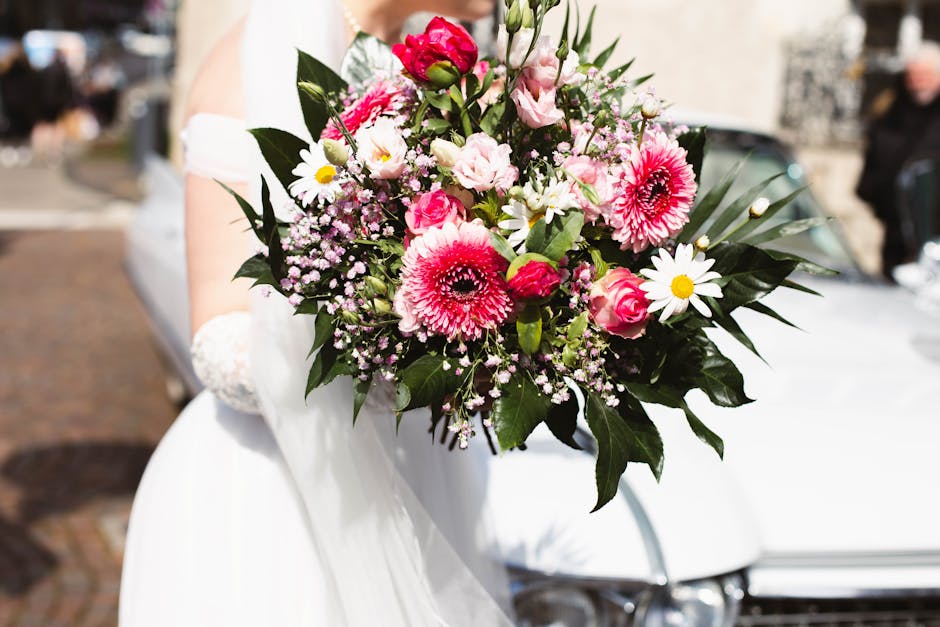
Common Mistakes to Avoid
This is the heart of the matter. If you avoid these errors, you are already ahead of many couples.
1. Leaving the booking too late
Wedding flowers are not something to leave until the week before unless you are being very minimal or the date is unusually quiet. The best florists may be busy, and seasonal flowers can be limited. Booking late can shrink your choices fast.
2. Being too vague about style
"Elegant" can mean five different things to five different people. So can "romantic" and "classic". Show references, but also explain what you like about them. Is it the shape, the softness, the colours, or the scale? That level of detail helps.
3. Ignoring the venue
A bouquet that looks stunning in a bright studio may not be right for a candlelit restaurant, church, or small hall. The room changes everything. Height, colour intensity, scent, and arrangement size all need to suit the setting.
4. Assuming every flower is available year-round
Some blooms are seasonal, and some are simply easier to source at different times of the year. If you get fixated on one exact flower and refuse alternatives, you may end up paying more or compromising elsewhere.
5. Not asking about hidden extras
Delivery, setup, collection, rental items, vases, and installation time can all affect the total cost. Ask what is included. It feels slightly awkward at first, but honestly, it is far better than surprise charges later.
6. Forgetting the small pieces
Buttonholes, corsages, registrar table flowers, flower girl details, and table petals are easy to overlook. Yet these are often the items that make everything feel complete. Missing them can leave the overall look a bit unfinished.
7. Trying to do too much with too little budget
It is better to do fewer things well than to dilute the whole design. A modest number of strong pieces usually looks more polished than lots of small arrangements that feel slightly underpowered.
8. Not confirming delivery access
If the florist cannot get close to the venue quickly, the delivery can become a headache. Ask about parking, steps, loading, and who will meet the driver. This is one of those boring questions that saves the day.
9. Forgetting scent sensitivity
Some flowers are strongly scented, and not every guest will love that. If your ceremony is in a small room or anyone in the wedding party is sensitive, it is worth discussing.
10. Relying only on images
Photos are useful, but they do not show timing, scale, durability, or cost. A bouquet might look dreamy online and still be impractical for your own plans. Use images as a starting point, not the final decision.
Tools, Resources and Recommendations
You do not need a complicated planning system. A few simple tools can make the process much easier.
- A mood board: Keep this focused. Save examples of shapes, colours, and flower types you genuinely like.
- A wedding timeline: Share the ceremony time, venue access window, and any transport constraints.
- A guest and bridal party list: This helps with buttonholes, bridesmaid bouquets, corsages, and table needs.
- A budget range: Even a rough range is better than none.
- Venue notes: Include ceiling height, table sizes, indoor/outdoor plans, and any rules around candles or decor.
For product inspiration, it can help to look through dedicated wedding items such as table arrangements or a broader style-led option like a coordinated wedding collection. These are useful when you want everything to feel pulled together without overthinking every stem.
You may also find it helpful to look at general service pages like local florist services in Willesden and flower delivery in Willesden if you are still deciding how delivery and design should work for your day.
Law, Compliance, Standards, or Best Practice
Wedding flowers are not usually a heavily regulated purchase in the way some other services are, but that does not mean standards do not matter. Good practice is still important. In the UK, florists commonly operate with clear payment terms, delivery expectations, refund policies, and substitution policies. Reading those before you pay is sensible, not fussy.
Because weddings often involve custom work, the exact arrangement you receive may vary slightly from images or sample designs. That is normal if flowers are seasonal or substitutions are needed. What matters is that the florist explains this clearly and keeps the style consistent with what you agreed.
For best practice, look for:
- clear written quotes
- itemised inclusions where possible
- delivery timing confirmation
- a simple process for changes or corrections
- transparent cancellation or refund terms
If you are comparing policies, pages such as terms and conditions, returns and refund information, and delivery details can help you understand the practical side before you commit. That sort of reading is not glamorous, admittedly, but it can save a world of hassle.
One more thing: if flowers are being set up at a venue with limited access or time restrictions, the florist and the venue both need to be aligned. That is less a legal issue than a professional one, but it matters all the same.
Options, Methods, or Comparison Table
Different booking approaches suit different couples. Here is a simple comparison to help you think clearly.
| Approach | Best for | Strengths | Watch out for |
|---|---|---|---|
| Fully bespoke floral design | Couples who want a unique look | High customisation, strong venue fit, polished result | Usually needs more planning time and clearer budget control |
| Pre-designed wedding collection | Couples who want speed and simplicity | Easy to choose, easier to price, cohesive styling | Less room for custom changes |
| Minimal essentials only | Small weddings or tighter budgets | Lower cost, less logistics, fewer moving parts | Can feel sparse if not planned carefully |
| Mixed approach | Most couples, to be fair | Balances impact and budget well | Needs clear prioritisation so the look does not feel fragmented |
For many weddings in Willesden, the mixed approach is the sweet spot. You might choose one statement bouquet style, keep bridesmaid pieces lighter, and let the table arrangements do the quiet heavy lifting. Simple, but effective.
Case Study or Real-World Example
A couple planning a spring wedding in Willesden wanted blush, white, and soft green flowers. At first, they had a very broad brief: "something romantic and not too formal". Lovely sentiment, but not enough detail. They also assumed the venue could accept delivery at any time on the morning of the wedding.
Once the florist asked a few practical questions, the picture became clearer. The ceremony room was smaller than expected, the reception tables were compact, and access to the venue was limited during a busy midday period. A tall, dramatic centrepiece plan would have looked crowded and made delivery awkward. The design was adjusted to softer arrangements with a cleaner profile, and the couple chose a slightly simpler bouquet so the main flowers still carried the day.
What changed the outcome was not a bigger budget. It was better information. The florist had enough detail to recommend seasonal alternatives that matched the same mood, and the couple got a more refined result because they were open to small adjustments. That sort of thing happens all the time, and it is usually a relief once the plan clicks into place.
By the time the wedding morning arrived, the flowers fit the venue naturally. No frantic re-styling. No last-minute panic. Just the soft rustle of stems being carried in and the room beginning to feel like theirs. Nice, really.
Practical Checklist
Use this before confirming your booking.
- Have you confirmed the wedding date, venue, and ceremony time?
- Do you know exactly which floral items you need?
- Have you shared your budget honestly?
- Have you discussed colours, style, and mood in practical terms?
- Do you know which flowers are seasonal or likely to need substitutes?
- Have you asked about delivery, setup, and venue access?
- Is the quote written down and easy to understand?
- Have you checked whether vases, stands, or hire items are included?
- Do you know what happens if you need to make changes?
- Have you included small details like buttonholes, corsages, and table arrangements?
- Have you read the florist's terms, delivery notes, and refund policy?
- Do you have a final confirmation date set for closer to the wedding?
Expert summary: The smartest wedding flower bookings are not the fanciest ones. They are the clearest ones. If you define the essentials, respect the venue, and leave room for seasonal reality, your flowers are much more likely to feel beautifully on purpose.
And yes, one last boring-but-useful reminder: a tiny detail can save a big headache. A quick written confirmation is often worth more than a dozen casual messages. Weddings have enough improvisation already.
Get a free quote today and see how much you can save.
Conclusion
When you avoid the common mistakes in booking wedding flowers in Willesden, you make the entire day feel calmer. You protect your budget, reduce stress, and give the florist a much better chance of creating something that truly fits your wedding rather than just filling space. That is really the point.
Think of the booking process as a conversation about priorities. What matters most: colour, shape, scent, scale, or simplicity? Once you know that, the rest becomes much easier. And if you are still unsure, that is fine too. A good plan usually starts with a few honest questions and a bit of practical thinking, not perfection.
So take your time, ask the awkward questions, and keep the details tidy. The flowers will thank you for it, in their own quiet way.
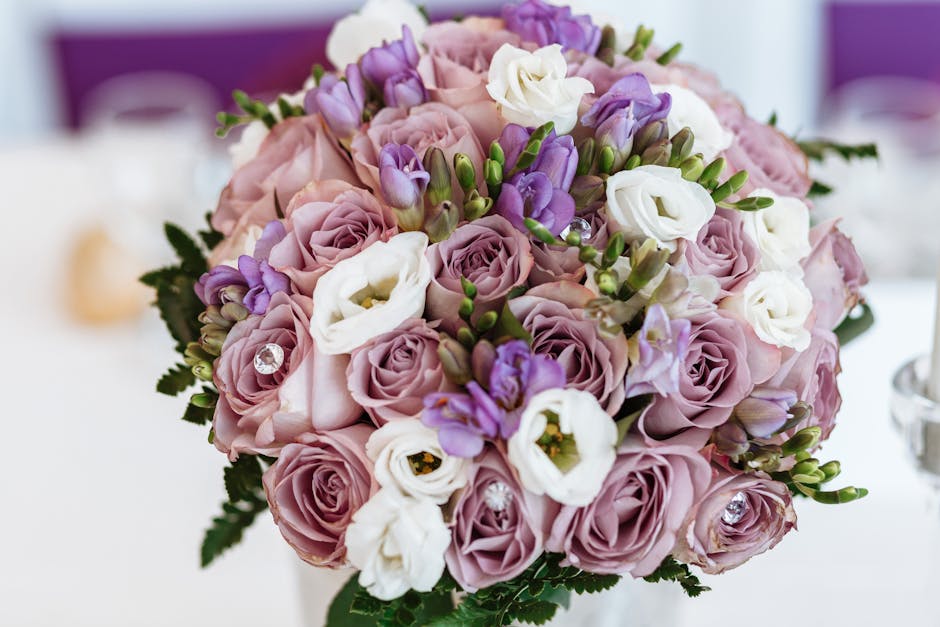
Frequently Asked Questions
How far in advance should I book wedding flowers in Willesden?
As early as you can, especially if your wedding is during a busy season or you want a specific florist. Early booking gives you more choice, more time to refine the design, and less pressure later on. If your plans are still changing, you can still start the conversation early and firm up details closer to the date.
What is the biggest mistake couples make with wedding flowers?
The biggest mistake is usually being too vague. If the florist only hears "romantic" or "simple," they may have to guess what that means. Clear examples, a budget range, and venue details are far more useful than a stack of random images with no context.
Do I need to know exactly what flowers I want before booking?
No, not at all. It helps to know your colours, style, and general mood, but a good florist can guide you on flower choices based on season, budget, and venue. In fact, some of the best plans start as a broad idea and become sharper through discussion.
Can I keep wedding flower costs down without it looking cheap?
Yes. The trick is to prioritise the pieces that will have the most visual impact. Often, that means focusing on the bouquet, key ceremony flowers, and a few well-placed table arrangements rather than trying to cover every surface. A simpler design can look elegant if it is thoughtful.
Should I choose seasonal flowers for my wedding?
Usually, yes. Seasonal flowers tend to be fresher, more reliable, and often better value. They also tend to suit the time of year more naturally. If you have a must-have bloom, ask whether it is realistic for your wedding date and what the alternatives would be.
What details should I give the florist first?
Start with the wedding date, venue, ceremony time, expected guest count, and the pieces you need, such as bouquet, buttonholes, or table arrangements. After that, share your budget and any colour or style preferences. That gives the florist enough to give practical advice.
How do I know if a florist is a good fit?
You want someone who listens carefully, explains options clearly, and does not rush you into choices that feel off. A good florist should ask sensible questions about the venue, timings, and budget. If the conversation feels orderly and calm, that is usually a good sign.
What should be included in a wedding flower quote?
A strong quote should show what items are included, the approximate flower types or style, delivery arrangements, and any extra charges for setup, hire items, or changes. If something feels unclear, ask for it to be explained in plain language before you pay.
Can wedding flowers be delivered to more than one location?
Yes, they can, but this needs to be discussed early because extra delivery stops can affect timing and cost. If your ceremony and reception are at different venues, or if the bridal party is getting ready elsewhere, make sure the route is clearly planned.
What if I need to change my flower order later?
Changes happen. Guest numbers shift, tastes evolve, and wedding plans wobble a bit sometimes. The important thing is to let the florist know as soon as possible. The earlier you make the change, the easier it is to adjust the design and the pricing.
Are scent-heavy flowers a bad idea for weddings?
Not necessarily, but they do need thought. Strong scents can be lovely in the right setting, yet overwhelming in a small space or for guests who are sensitive. If your ceremony room is compact, it may be wiser to balance fragrant flowers with lighter ones.
What is the safest way to avoid disappointment?
Be specific, be realistic, and confirm everything in writing. That combination solves most problems before they start. It also gives the florist a much better chance of delivering exactly what you had in mind, or very close to it, which is often more than enough.


